
How to Unclog a Toilet: Easy Methods & Prevention Tips

How to Unclog a Toilet: Easy Methods & Prevention Tips
A blocked toilet can quickly turn into an unpleasant household problem, especially when the water drains slowly or does not drain at all. Fortunately, many minor clogs can be handled without calling a plumber. Learning how to unclog a toilet helps you choose the right method, avoid common mistakes, and reduce the chance of another blockage. From a traditional toilet plunger to a high pressure toilet plunger, several practical solutions are available.
Content Index
- Why Does a Toilet Get Clogged?
- How to Know If Your Toilet Is Blocked
- How to Unclog a Toilet
- Use a Traditional Plunger
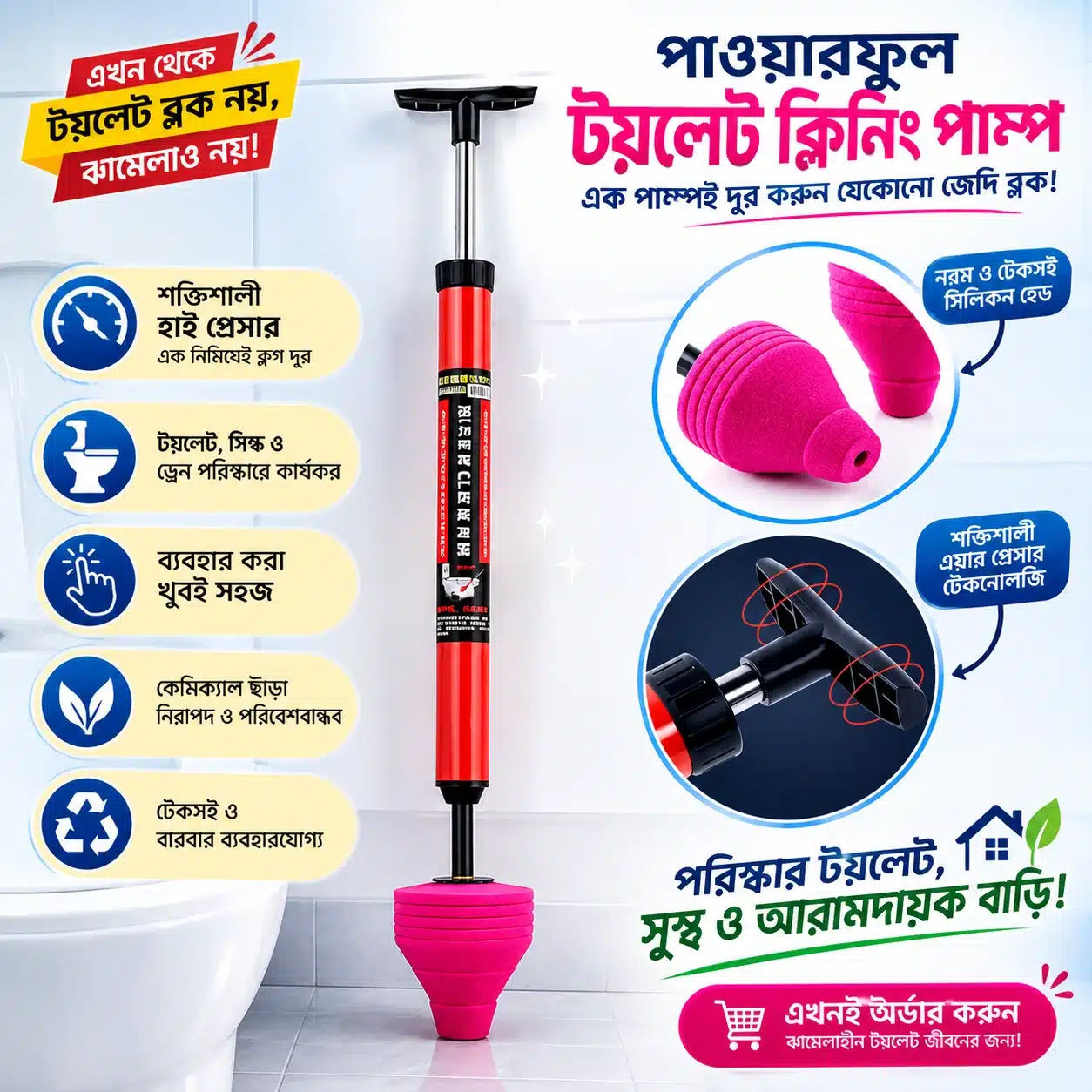
- Use a High Pressure Toilet Plunger
- Check for Visible Obstructions
- When to Contact a Plumber
- High Pressure Toilet Plunger vs Traditional Plunger
- How to Prevent Toilet Blockages
- Common Toilet Clogging Mistakes
- Frequently Asked Questions
- Conclusion
Why Does a Toilet Get Clogged?
Before learning how to unclog a toilet, it helps to understand what causes the blockage.
Most toilet clogs happen because too much material enters the drain at once or because something unsuitable is flushed.
Common causes of toilet blockage include:
- Excessive toilet paper
- Flushing wet wipes
- Sanitary products
- Paper towels or tissues
- Children’s toys or small objects
- Hair and other debris
- Hard water buildup
- A partially blocked drain pipe
- Problems deeper inside the plumbing system
- Low water flow that does not clear the bowl properly
Toilet paper is designed to break down in water. However, large amounts can collect inside the toilet trap or drain and create a blockage.
Non-flushable products are another common problem. Items such as wipes, paper towels, and personal-care products may not break down easily and can become trapped inside the plumbing.
In some cases, the problem is not inside the toilet itself. A blockage farther down the drain line can also cause repeated toilet problems.
How to Know If Your Toilet Is Blocked
A completely blocked toilet is usually easy to identify. However, a partial blockage can be harder to notice.
Watch for these signs:
- Water rises unusually high after flushing
- The toilet drains very slowly
- Water remains in the bowl longer than normal
- The toilet makes unusual bubbling or gurgling sounds
- Waste does not flush away properly
- The toilet repeatedly becomes blocked
- Nearby drains also drain slowly
If the water level rises after flushing, do not flush repeatedly. More flushing can cause the bowl to overflow.
Instead, stop the water flow if necessary and assess the blockage.
A slow drain can sometimes be an early warning sign. Dealing with it early may prevent a minor toilet blockage from becoming a larger plumbing problem.
How to Unclog a Toilet
The right method depends on how serious the blockage is and what caused it.
For a simple clog, you can often start with a traditional plunger. If that does not work, a pressure-based tool such as a high pressure toilet plunger may provide stronger force.
Use a Traditional Plunger
A toilet plunger is one of the simplest tools for dealing with a common toilet clog.
First, make sure there is enough water in the bowl to cover the rubber part of the plunger. If there is too much water, remove some carefully to reduce the risk of splashing.
Place the plunger over the toilet drain opening and create a firm seal.
Then push and pull the plunger several times using controlled movements. The goal is to create pressure that can loosen the blockage inside the trap or drain.
After several attempts, check whether the water begins to drain.
If the water level falls normally, flush the toilet once to confirm that the blockage has cleared.
Use a High Pressure Toilet Plunger
A high pressure toilet plunger works on a similar basic principle but uses stronger pressure to help loosen stubborn blockages.
This type of tool can be useful when a traditional plunger does not provide enough force.
Depending on the design, a pressure-based toilet clog remover directs a burst of air or pressure toward the blocked drain. This pressure can help move material that is stuck inside the toilet trap or nearby pipe.
For homeowners who frequently deal with toilet blockages, a toilet blockage cleaning pump can be a practical addition to their bathroom cleaning tools.
However, always follow the instructions supplied with the particular product. Using excessive force or an unsuitable tool can damage plumbing components.
Check for Visible Obstructions
Sometimes the problem is caused by an object that can be seen or safely reached.
If you notice an object near the toilet opening, do not push it farther into the drain.
Wear appropriate household cleaning gloves and remove only an obstruction that is safely accessible.
Avoid putting your hand deep into the toilet trap. If the object is stuck farther inside, use an appropriate plumbing tool or contact a professional.
When to Contact a Plumber
Not every blocked toilet is a simple clog.
You should consider professional plumbing help when:
- The blockage does not clear after reasonable attempts
- The toilet repeatedly becomes blocked
- Several drains in the home are affected
- Dirty water backs up into other drains
- You suspect a problem deep inside the drain line
- A foreign object is stuck in the plumbing
- The toilet leaks after attempting to clear the blockage
- There are signs of a damaged pipe
Repeated blockages may indicate an underlying plumbing issue rather than a simple toilet clog.
High Pressure Toilet Plunger vs Traditional Plunger
Both tools can help with toilet blockages, but they work differently.
| Feature | Traditional Toilet Plunger | High Pressure Toilet Plunger |
| Basic operation | Manual plunging | Pressure-based action |
| Best for | Light to moderate clogs | More stubborn blockages |
| Ease of use | Simple | Requires correct positioning |
| Pressure level | User-controlled | Generally stronger |
| Storage | Compact | Usually compact |
| Suitable for regular home use | Yes | Yes, depending on the model |
A traditional plunger is useful for everyday minor clogs and is inexpensive and easy to store.
A high pressure toilet clog remover, on the other hand, may be useful when a conventional plunger cannot generate enough pressure to loosen the blockage.
The important point is that neither tool is suitable for every plumbing problem. If the blockage is caused by a damaged pipe or a deep sewer-line problem, professional inspection may be necessary.
How to Prevent Toilet Blockages
Knowing how to unclog a toilet is useful, but preventing the problem is even better.
- Flush Only Suitable Materials
The toilet should generally be used only for human waste and toilet paper unless your local plumbing guidance says otherwise.
Avoid flushing:
- Wet wipes
- Paper towels
- Sanitary products
- Cotton products
- Hair
- Food
- Plastic
- Small objects
Even products marketed as flushable may create plumbing problems in some systems.
- Avoid Excessive Toilet Paper
Using too much toilet paper at once can increase the risk of a blockage.
If a large amount is necessary, using reasonable amounts and flushing appropriately can reduce the chance of creating a dense mass in the drain.
- Deal With Slow Draining Early
A toilet that drains slowly may have a partial blockage.
Do not wait until the toilet becomes completely blocked. Addressing the problem early can make the solution much easier.
- Keep Small Objects Away
Small bathroom objects can accidentally fall into the toilet.
Keep items such as children’s toys, plastic packaging, and bathroom accessories away from the toilet area.
- Keep a Toilet Blockage Tool Available
A basic toilet plunger can be useful for minor emergencies.
If your household experiences stubborn toilet blockages, keeping a suitable high pressure toilet plunger or toilet cleaning pump available can help you respond quickly.
- Maintain the Bathroom Regularly
Regular bathroom cleaning does more than improve appearance.
Check for:
- Slow drainage
- Unusual smells
- Gurgling sounds
- Water-level changes
- Repeated clogs
These signs can indicate a developing drainage problem.
Common Toilet Clogging Mistakes
When trying to clear a blocked toilet, people sometimes make the situation worse.
Repeatedly Flushing
If the toilet is already blocked, repeated flushing can raise the water level and potentially cause an overflow.
Using Too Much Force
More pressure is not always better. Excessive force can damage plumbing components or cause water to splash outside the bowl.
Using the Wrong Tool
A household drain tool may not be suitable for a toilet.
A toilet-specific plunger or pressure-based toilet clog remover is generally more appropriate for toilet blockages.
Pushing an Object Deeper
If you can see an object, pushing it farther into the drain can make removal more difficult.
Ignoring Recurring Blockages
If your toilet becomes blocked again and again, the problem may be deeper than the toilet bowl.
Recurring problems deserve closer inspection.
Pouring Harsh Chemicals Into the Toilet
Chemical drain cleaners are not always appropriate for toilets. Some products may damage plumbing components or create safety problems.
Mechanical methods are often a better first option for a simple physical blockage.
Frequently Asked Questions
- What is the easiest way to unclog a toilet?
For a basic toilet blockage, a toilet plunger is often the first method to try. Create a good seal over the drain and use controlled plunging movements. If the blockage remains, a suitable high pressure toilet plunger may provide additional pressure.
- How do you unblock a toilet without a plumber?
A minor blockage can sometimes be cleared using a toilet plunger or another suitable mechanical toilet clog remover. If the blockage is severe, recurring, or connected to a larger drainage problem, professional plumbing assistance may be necessary.
- Does a high pressure toilet plunger work better than a normal plunger?
A high pressure toilet plunger can provide stronger pressure than a traditional plunger, which may help with some stubborn blockages. However, results depend on the type and location of the clog and the specific tool being used.
- What causes a toilet to keep getting blocked?
Recurring toilet blockage can be caused by excessive toilet paper, unsuitable materials being flushed, partial blockages, mineral buildup, or a deeper plumbing problem. If the issue keeps returning, professional inspection may be worthwhile.
- Can I use a toilet plunger on a completely blocked toilet?
Yes. A toilet plunger is commonly used for complete or partial blockages. However, avoid repeated flushing when the water level is already high.
- What should I do if the toilet water starts rising?
Stop flushing immediately. If necessary, stop the water supply to the toilet and allow the water level to settle. Then use an appropriate toilet blockage solution, such as a plunger, if the situation is suitable.
- How can I prevent toilet drain blockage?
Flush only suitable materials, avoid excessive toilet paper, keep foreign objects away from the toilet, and deal with slow drainage early. Regular maintenance can also help identify problems before they become serious.
- When should I call a plumber for a blocked toilet?
Contact a plumber if the blockage does not clear, keeps returning, affects multiple drains, causes leaks, or appears to be caused by a deeper plumbing problem.
Conclusion
Learning how to unclog a toilet can save time and help you handle many common bathroom blockages before they become bigger problems. Start with a suitable toilet plunger for simple clogs. If additional pressure is needed, a high pressure toilet plunger or toilet blockage cleaning pump may be a useful option.
Most importantly, prevention matters. Flush only appropriate materials, avoid excessive toilet paper, watch for slow drainage, and address recurring blockages early.
With the right tool and good toilet maintenance habits, many everyday toilet blockages can be handled more easily and safely.